How Web Design, SEO, and Digital Marketing Complement Each Other in Rochester, NY
For Rochester, NY businesses, growth rarely comes from one channel alone. Effective web design makes a website usable and reliable. Effective SEO services help that site earn search visibility. Smart digital marketing turns that visibility into qualified leads and profit. And when AI experts are part of the process, teams can improve speed, personalization, and decision-making without losing the human touch.
The best results happen when these disciplines are aligned through one strategy, one message, and one measurement system. That means synchronizing the customer journey, tightening the marketing funnel, and making sure every page supports both brand consistency and conversion optimization. For companies competing in Rochester, NY and across Monroe County, that integration can be the difference between a website that simply exists and a digital presence that drives real growth.
What does each specialty do?
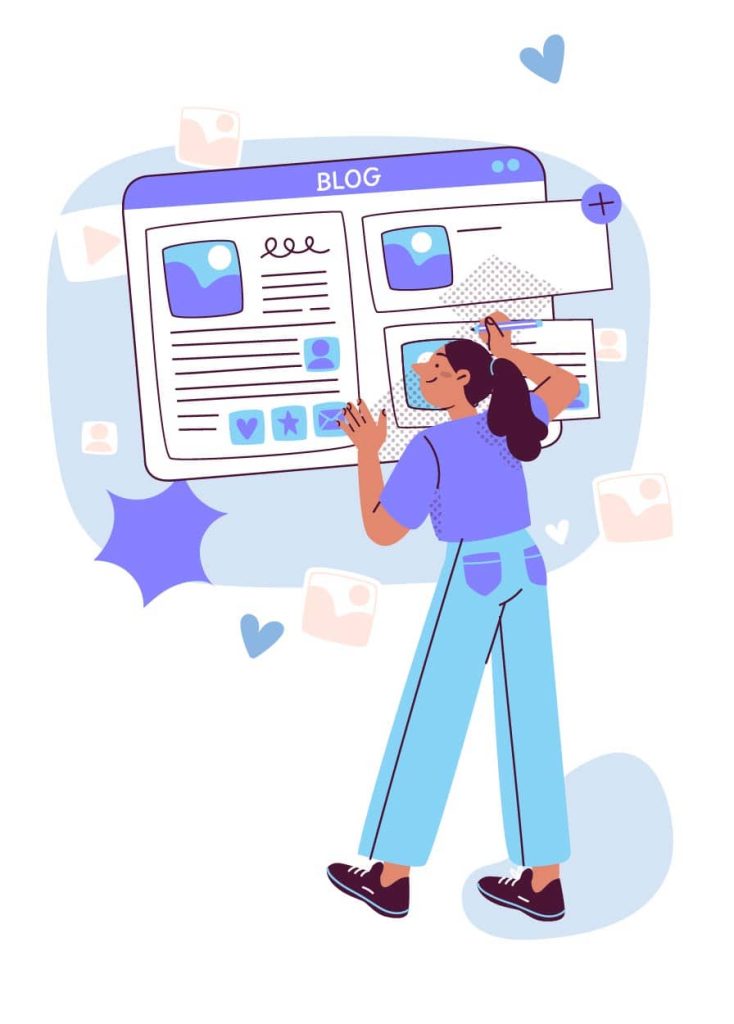
Web design shapes how a visitor perceives your brand online. It includes layout, menu flow, responsive design, visual arrangement, and the overall website usability that leads people toward action. Good design does more than look polished; it reinforces content hierarchy, helps users discover information quickly, and reinforces brand messaging.
SEO services focus on improving how search engines read and rank your site. That includes keyword research, on-page SEO, technical SEO, and local SEO. The goal is to improve organic traffic, strengthen local rankings, and ensure the site is easy to crawl, index, and trust.
Digital marketing is the broader growth system. It uses channels like content marketing, paid media, email, and social media marketing to https://syracuse-ny-bt179.fotosdefrases.com/web-design-seo-solutions-internet-marketing-and-ai-experts-in-rochester attract, nurture, and convert audiences. In practice, digital marketing links the website to the market by driving traffic, supporting the content strategy, and feeding the marketing funnel.
AI experts help teams use artificial intelligence and automation more effectively. They can support faster content planning, better competitive analysis, smarter forecasting, and more efficient reporting. When used responsibly, AI can improve the quality and speed of decisions without replacing the human expertise needed for strategy, voice, or local nuance.
Each discipline has a distinct role, but none works at full power in isolation. The real advantage comes from combining them so that design, rankings, and campaigns all support the same business outcome: more traffic, stronger engagement, and better conversions.
How website design affects search engine optimization and conversions
Website design has a clear impact on how successfully a site ranks in search and how many visitors turn into customers. Search engines want to rank pages that provide value, and users want pages that are easy to understand and act on. That is why design choices influence both crawlability and conversion rate optimization.
Site architecture is the initial major connection. If pages are organized sensibly, search engines can better understand relationships between services, industries, and locations. A organized hierarchy also helps users move through the site without confusion. In practical terms, that improves indexability and supports both SEO and usability.
Mobile responsiveness is no longer optional. Most users expect a site to work properly on phones and tablets, and search engines evaluate mobile experience thoroughly. A responsive site adapts to different screen sizes while keeping forms, buttons, and navigation accessible. This matters for local visitors in Rochester, NY who may be searching on the go, comparing providers, or requesting service quickly.
Page speed also influences results. Slow pages increase bounce rate, reduce engagement metrics, and make it harder for users to complete actions. Even a well-written page can underperform if images, scripts, or layout elements slow it down. Faster pages usually support better website usability and a smoother customer journey.
Then there is user experience. Good UX helps visitors trust the brand, understand the offer, and know what to do next. Clear navigation, visible pricing cues, helpful content, and strong call to action placement all contribute to better performance. If the site is confusing, the visitor may leave before the SEO work has a chance to matter.
Sunstone Digital Tech50 Fountain Plz #1400, Buffalo, NY 14202
(315) 758-3349
https://maps.app.goo.gl/y9HMhvcoPCh9V3eKA
https://sunstonedigitaltech.com/buffalo-marketing-agency/web-design
42.8898193, -78.8738661
Design also affects semantic relevance. Headings, internal page structure, and visual emphasis can reinforce what each page is about. That makes it easier for search engines to interpret the topic and for users to see that the page matches their search intent. In other words, design is not just aesthetics; it is a key part of discoverability and persuasion.
How search engine optimization services bolster digital marketing goals
SEO services deliver the base that makes marketing campaigns more efficient. Paid media efforts can create traffic quickly, but SEO creates durable visibility that keeps bringing users back over time. When both are aligned, teams can lower friction in acquisition, improve trust, and drive more sustainable results.
Keyword analysis is where this alignment starts. Good research identifies the terms people actually use, the questions they ask, and the stages of intent behind each query. That includes service terms, location modifiers, and informational searches that reflect different needs. Keyword analysis should always map to user intent so that pages match what the user is trying to accomplish.
Technical SEO ensures the site can be found, crawled, and understood. This includes site speed, structured navigation, mobile support, canonical handling, and making sure important pages are indexable. Without technical SEO, even strong content may struggle to earn visibility because search engines cannot process it efficiently.
Content optimization turns raw information into pages that rank and convert. That means improving titles, headings, copy depth, internal links, and topic coverage so the page demonstrates semantic relevance. Content should answer questions clearly while supporting the brand voice and nudging the visitor toward the next step.
Local SEO is especially important for businesses that serve Rochester, NY and surrounding areas in Monroe County. Optimizing location pages, service pages, and Google Business Profile listings helps improve map pack rankings and local search performance. Review signals, category accuracy, service descriptions, and proximity all affect local visibility. For many local companies, especially service-area businesses, this is where the highest-value leads come from.
When SEO efforts and digital marketing are aligned, the results compound. Organic pages support campaigns with consistent messaging. Campaign landing pages benefit from SEO-informed structure. Email and social content can point to high-value pages that already reflect user interest. The end result is better search visibility, stronger trust, and more qualified leads across the full digital presence.
How internet marketing strengthens SEO and web design
Internet marketing provides SEO and web design a wider presence. A site may be beautifully built and technically improved, but it still needs distribution and continuous reach. That is where content, paid promotion, email, and social channels come in.
Content marketing expands the value of SEO by developing assets that engage, inform, and turn prospects into customers. Blog posts, guides, case studies, and service pages can all strengthen the content strategy while addressing search questions at different stages of the marketing funnel. Well-planned content also strengthens brand messaging and helps establish authority in the Greater Rochester market.
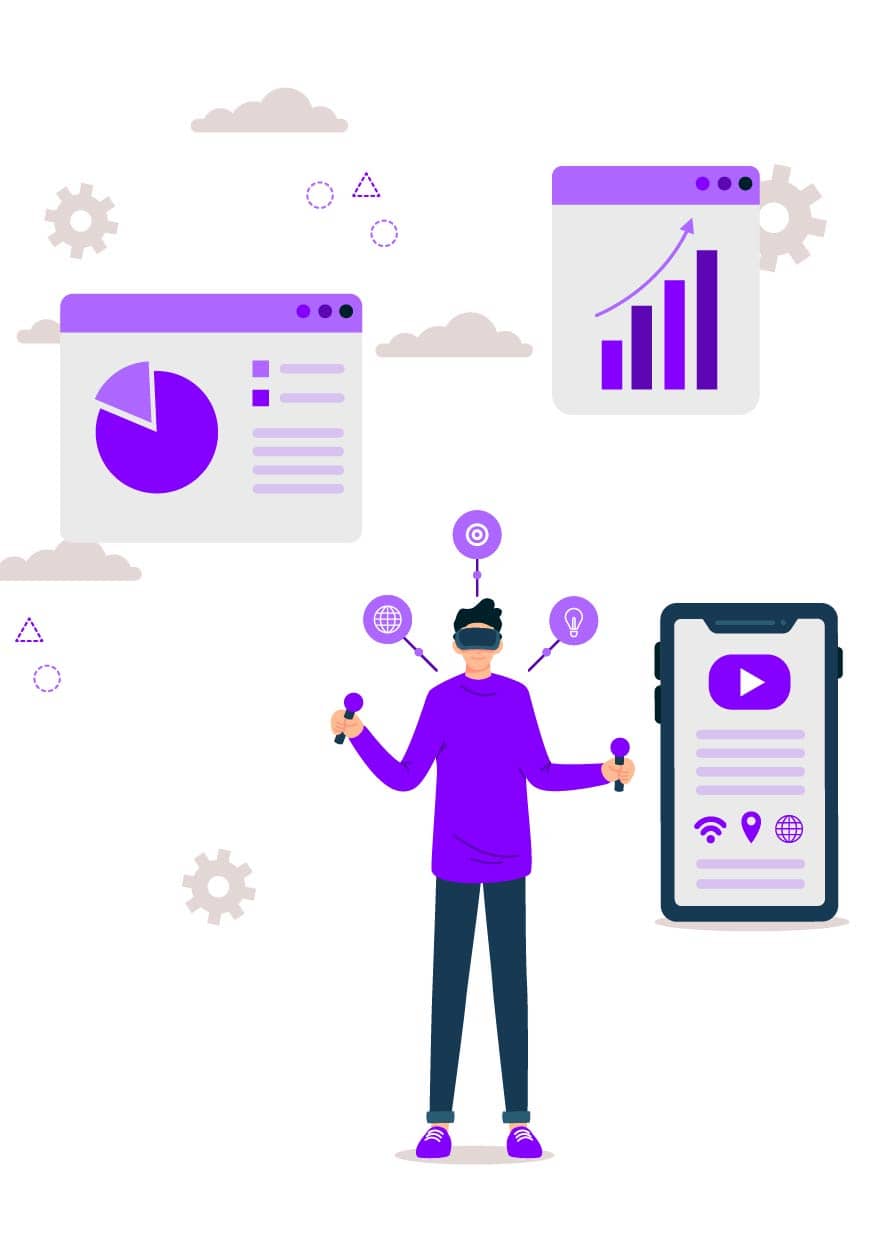
Paid media provides teams a way to test offers and send traffic faster. It is especially useful for promotion of landing pages, seasonal campaigns, and new services. Paid media also delivers immediate feedback on messaging and conversion optimization. If a page performs well in ads, it often reveals what resonates with users before long-term organic growth catches up.
Email marketing maintains the relationship going after the first visit. It can nurture prospects who are not ready to buy, win back previous customers, and promote new content or offers. Email is particularly effective when the website already generates leads through forms, downloadable resources, or consultation requests.
Social media marketing supports awareness and social proof. It can expand the reach of content, showcase projects, and reinforce trust. For local brands, social channels are also useful for staying visible in the community and supporting brand consistency across every touchpoint.
Digital marketing enhances web design by guiding the right audiences to the right pages. It supports SEO by increasing engagement signals, broadening distribution, and making more content discoverable. And it turns a site from a static brochure into an active lead generation system.
Where AI experts fit into the overall strategy
AI specialists assist businesses leverage machine learning in practical ways that enhance speed and accuracy. In today's marketing stack, AI is not just about innovation. It is about smarter workflows, clearer insights, and more effective execution across design, SEO, and campaign management.
A key use case is task automation. Teams can automate reporting, content briefs, lead routing, and routine analysis so they devote more time on strategy. Automation can also cut down on manual errors and make workflows more consistent across departments. For companies with lean teams, this can open up hours every week.
Predictive insights is another important area. AI experts can help forecast which pages, audiences, or offers are most likely to perform well based on historical data and patterns. That can improve budget allocation, content prioritization, and campaign planning. Instead of reacting late, teams can act earlier with more confidence.
AI-driven content workflows can also accelerate production while preserving quality. For example, AI can help generate outlines, cluster keywords, summarize research, and suggest internal link opportunities. Human editors then refine voice, accuracy, and brand tone. This combination is especially valuable when content strategy must scale without sacrificing semantic relevance or trust.
The best AI support takes into account context. Rochester, NY businesses need local nuance, industry-specific language, and messaging that reflects real customer needs. AI can assist with efficiency, but human oversight remains essential for accuracy, credibility, and brand alignment.
The importance of area-based Rochester, NY environment is important
For businesses in Rochester, NY, local factors influence how web design, seo services, digital marketing, ai experts and SEO, plus digital marketing should operate together. How people search changes by area, time of year, field, and service area. A strategy that works in a national market may miss the details that matter in Monroe County.
Local search is one of the biggest drivers of visibility. When people search for services nearby, they often rely on map results, reviews, and quick website scans. That means Google Business Profile optimization, map pack rankings, and review signals all play a major role in attracting local traffic. If those pieces are weak, even a good website may not get the attention it deserves.
Service-area businesses need extra focus because they may serve multiple towns or neighborhoods without a public storefront. In those cases, the website should highlight service areas clearly, the content should speak to local needs, and the SEO structure should support location relevance without sounding repetitive. This is especially important for companies operating across Rochester, Monroe County, and nearby communities.
Local messaging may also vary by audience. A firm near downtown Rochester may need to appeal to fast-moving professionals, property managers, or organizations seeking quick turnaround. A business near the University of Rochester may want to speak to healthcare, education, or research-adjacent needs. A company near Eastman Business Park may need more B2B-focused messaging that emphasizes reliability, scale, and technical capability.
Seasonal and regional behavior matters too. Upstate New York weather can shape demand for home services, repairs, logistics, and maintenance. In winter, urgency may rise. In warmer months, home improvement and outdoor-related searches often change. Meanwhile, B2B activity in the Greater Rochester market may follow budget cycles, procurement windows, and local industry rhythms. Smart digital marketing accounts for these patterns instead of using one generic message year-round.
How an integrated strategy works in real life
An integrated strategy starts with a single plan, not isolated tasks. The initial step is usually an SEO audit that reviews site health, content gaps, keyword opportunities, site structure, and local rankings. That audit helps identify what the website needs before traffic is scaled.
Next comes conversion rate optimization. Once the right visitors arrive, the site must guide them clearly toward action. This may involve making forms simpler, strengthening the call to action, improving landing pages, or explaining offers more clearly. Small changes can create meaningful gains when they reduce friction in the customer journey.
Analytics then becomes the unifying language across teams. Website data, search performance, ad metrics, and lead quality should all be reviewed together. Analytics helps answer practical questions: Which pages bring organic traffic? Which channels generate qualified leads? Where do visitors drop off? Which pages have high bounce rate or weak engagement metrics?
At the end, the strategy should tie directly to lead generation. That means every channel points to the same business outcomes: calls, form fills, bookings, consultations, or sales. Design supports clarity. SEO builds discoverability. Digital marketing expands reach. AI helps scale execution. Together, they create a stronger system than any one channel can produce alone.
The most effective digital strategy is not “SEO versus web design” or “organic versus paid.” It is a coordinated system where each part improves the others.
Common mistakes when these channels are separated
When teams work in silos, the problems show up quickly. One common issue is siloed teams making decisions without shared goals. Designers may prioritize visuals without considering search needs. SEO teams may optimize pages that do not convert well. Marketers may drive traffic to pages that do not match the offer.
Inconsistent messaging is another regular problem. If ads, landing pages, social posts, and service pages all say different things, users lose trust. Brand consistency matters because it enables people to spot the value proposition faster and progress through the funnel with less resistance.
Many businesses also face weak calls to action. A page may educate well but fail to tell the visitor what to do next. Without a direct call to action, even interested users may leave without taking the next step. This is a frequent issue on service pages, blog articles, and landing pages.
Tracking gaps can make everything harder to improve. If analytics are incomplete, teams cannot tell which pages drive leads or where the customer journey breaks down. That makes conversion optimization a guessing game instead of a data-driven process. Accurate tracking is essential for connecting organic traffic, paid media, and lead generation performance.
These mistakes are avoidable when web design, SEO services, and digital marketing are planned together from the start. Unified goals, consistent language, and shared reporting create stronger results and less wasted effort.
FAQs
How do web design and SEO services work together?
Web design and SEO services work together by making a site both usable and findable. Good design improves site architecture, mobile responsiveness, page speed, and user experience, while SEO improves crawlability, indexability, and keyword targeting. When both are aligned, the site is easier for search engines to understand and easier for people to use, which supports higher search visibility and better conversions.
Why does digital marketing need a well-designed website?
Digital marketing needs a well-designed website because all traffic eventually lands somewhere. If the website is confusing, slow, or hard to navigate, paid media, email marketing, and social media marketing will not convert well. Strong web design supports brand messaging, landing pages, and clear calls to action, which makes it easier to turn visitors into qualified leads.
How can AI experts improve SEO and marketing results?
AI experts can enhance SEO and marketing outcomes by leveraging artificial intelligence to simplify workflows, improve automation, and support predictive analytics. They can help with keyword clustering, content workflows, reporting, and performance forecasting. Used well, AI saves time and improves decision-making while still leaving room for human judgment, local insight, and brand voice.

What should Rochester, NY businesses prioritize first: web design or SEO?
Rochester, NY businesses should usually start with a strong foundation in both, but if the current site is outdated or hard to use, web design should be addressed first. If the site is technically sound but not getting traffic, SEO services may need the immediate focus. In many cases, the best approach is a coordinated plan that improves design, technical SEO, and content strategy together, especially for local SEO and Google Business Profile visibility in Monroe County.
How do I know if my website is helping or hurting digital marketing performance?
Review your analytics, lead generation results, bounce rate, engagement metrics, and conversion rate optimization data. If visitors arrive but leave quickly, if landing pages fail to convert, or if tracking gaps make it hard to measure outcomes, the website may be hurting performance. A healthy site backs the full customer journey, matches search intent, and moves people toward action with clear messaging and strong calls to action.